

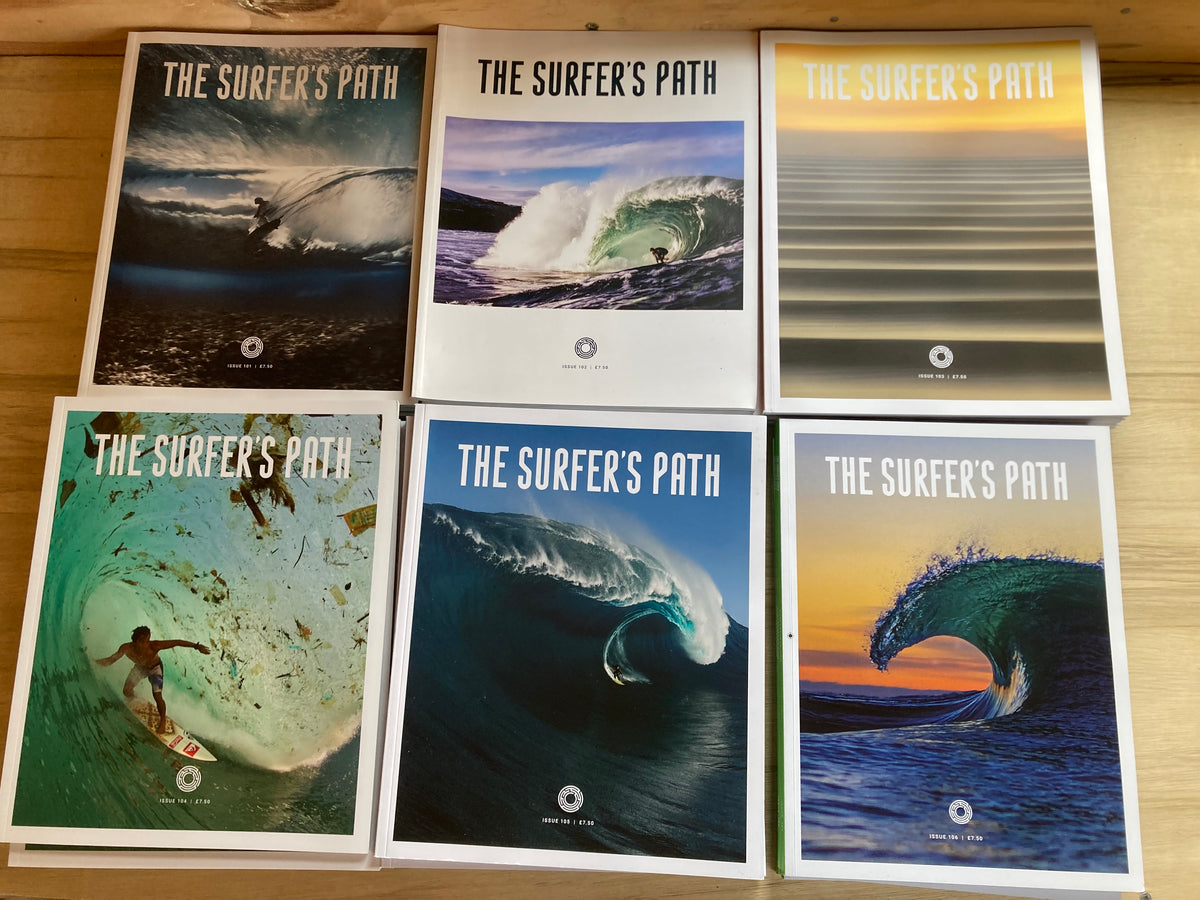
April 13th -
UPDATE -
We're shipping all orders and any missing orders at the moment, if you've contacted us your mags left on Thursday and Friday, if you're missing any email - subs@surferspath.com and we'll post them next week. If you woudl like any of them they can be purchased ont he back issue button below.
As you know if you've been following us we've been building the Path back up, and we are now back to full publishing and distribution schedule. If you are a subscriber we have a dedicated email - subs@surferspath.com and any single issue purchases contact us here - issues@surferspath.com . We're excited to confirm that we have formally brought together our Path Collective of devotees to print and committed resource to print at least until issue 125, which is really exciting for all who have helped us survive over the last couple of years, we really appreciate the support and allowing us to get to the next stage.
Our back issue bundles are available HERE. Because we all work as well we are replying to emails at weekends. Every week on a Wednesday and Friday we do a mail out as well, so new orders and and missing issues will be leaving today globally.








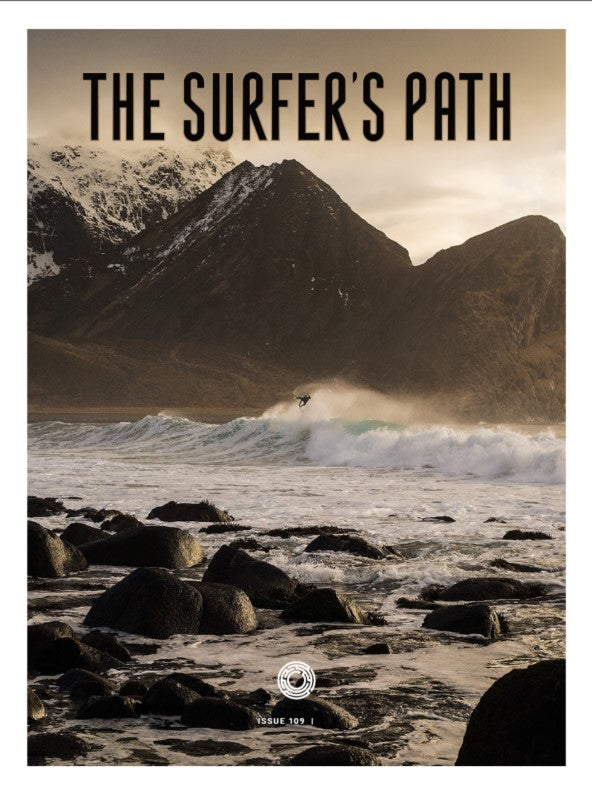
Issue 109
The Adventure Issue.
We ask when was the best decade to be a surfer? The 50's when life was simple and you just had to drive to the next bay to discover a new spot, or the 2020's where everythign is handed to you on a plate (and the crowds)?
We offfer up the ultimate adventure advice from the most feral dirt bags on Earth, who also score a lot of waves. Plus we tell ten un-told tales of stupidity, blind luck and avoiding catastrophe on some epic adventures.
This issue is only avaialbe to subscribers or pre-orders check out our back issue site below for any spares.

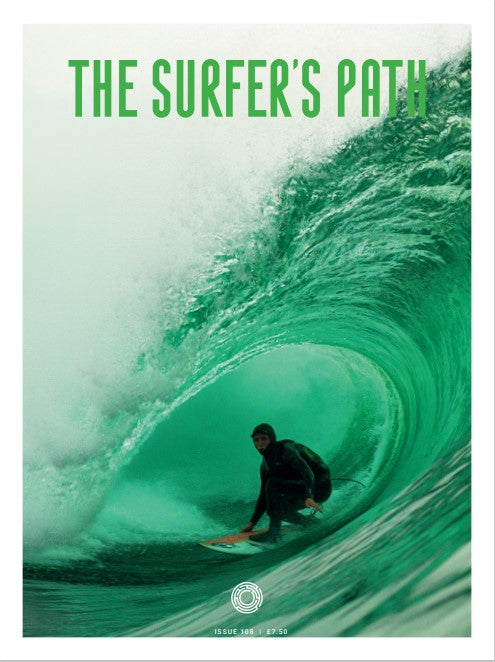
Issue 108
Ever wondered exactly what we're surfing in? We know things aren't right, but what exactly are the pressures on the waves we sure? We took 100 spots around the UK and Ireland, analysed data, spoke to locals and figured out the main pollution issues - YOU WILL BE SHOCKED. Then we took it out to ten spots globally.
Plus - Adam Hall gives us the low down on how you create a world surfing reserve.
This issue is only available to subscribers or pre-orders any spares will be added to our back issues on the button below.

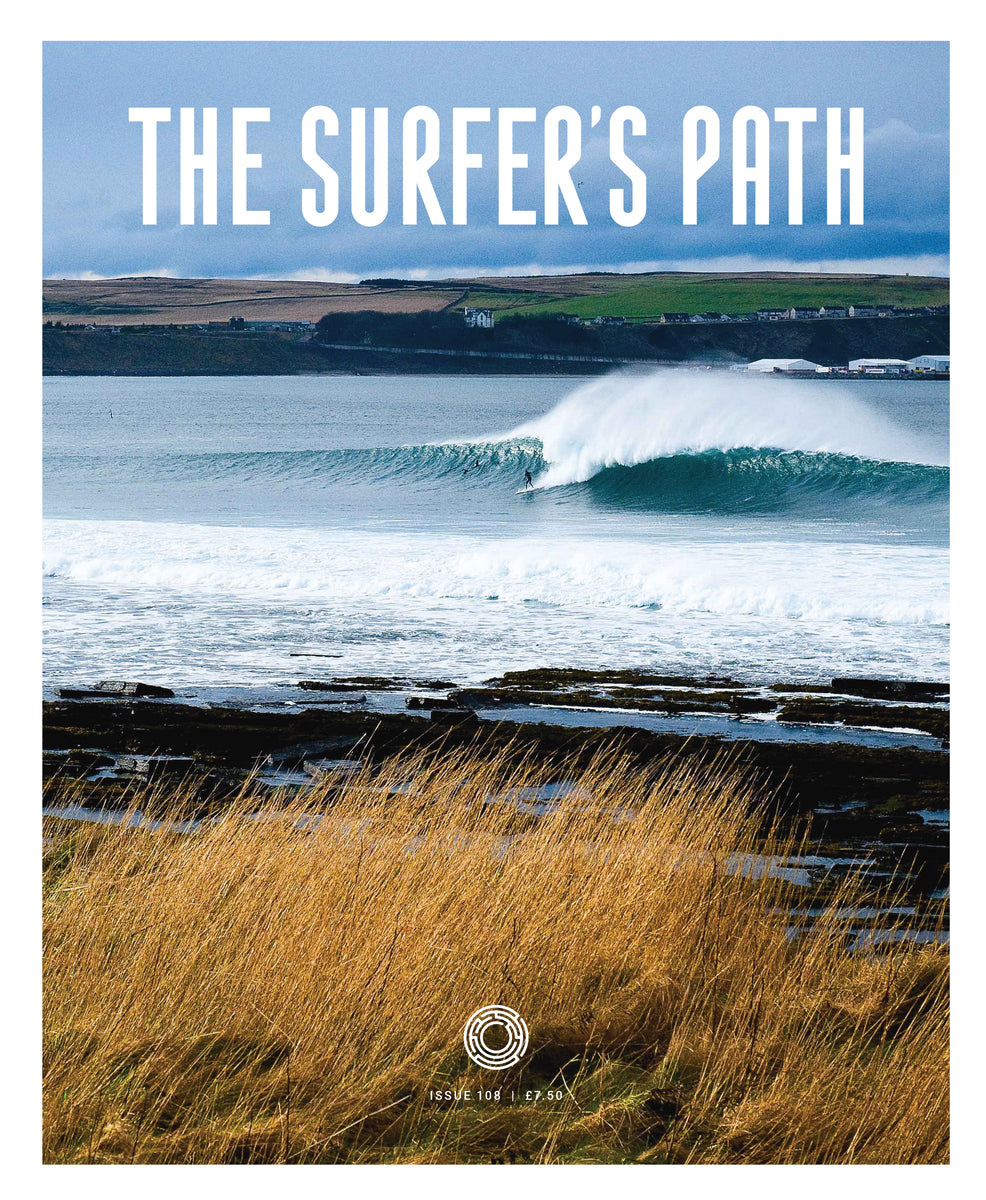
Issue 107
We celebrate the importance of community with a tribute to Thurso surfing legend Alex Sutherland who passed away last year, with an incredible gallery of the Scottish legend.
We go on six incredible adventures in Indonesia, Ireland, Helligoland, Greenland, California and try and surf every county from Essex to Caithness.
This issue is only avaible to subscribers or pre-orders, any spares will be put on our back issue site below.

Issue 106
We go to the absolute extreme of the planet with a surf trip to Svalbard, then to the very end of Cornwall, we get some insane new angles on Nazare, and a beautiful folio from Norway.
The lead article though is an incredible feature on Sid Abruzzi, a life very well worth exploring and taking some important moments from.
This issue is only available to subscribers, but any extras can be found on the button below.

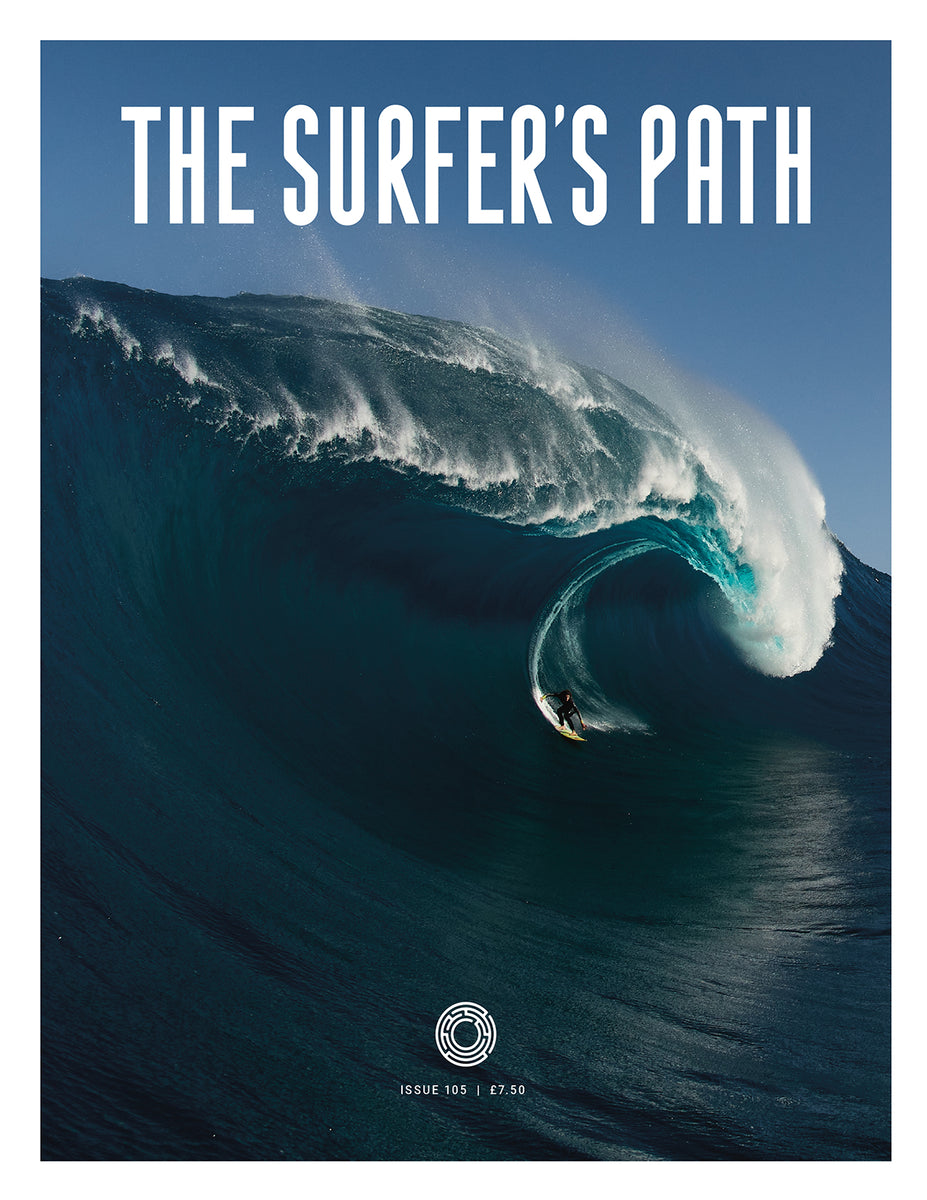
Issue 105
We look at exactly where the limits of surfing are, from a perspective of the physical limits of the human body, the size that swells can actually get, what constitutes a big wave, and where that ultimate wave will be ridden.
Travel - Hawaii - One reader recounts his first time on the north shore
Scotland - A reef in Scotland, barely rideable and surfed for years.
El Salvador - Mark Boyd on a pre-covid mission to central America
Ireland - Surfing every coastal county in Ireland.
France - Three classic tales from the world's favourite stretch of beach breaks. Plus the usual - Land Sea Sky, epic gallery, agree to disagre
Back issues are available on the link below.

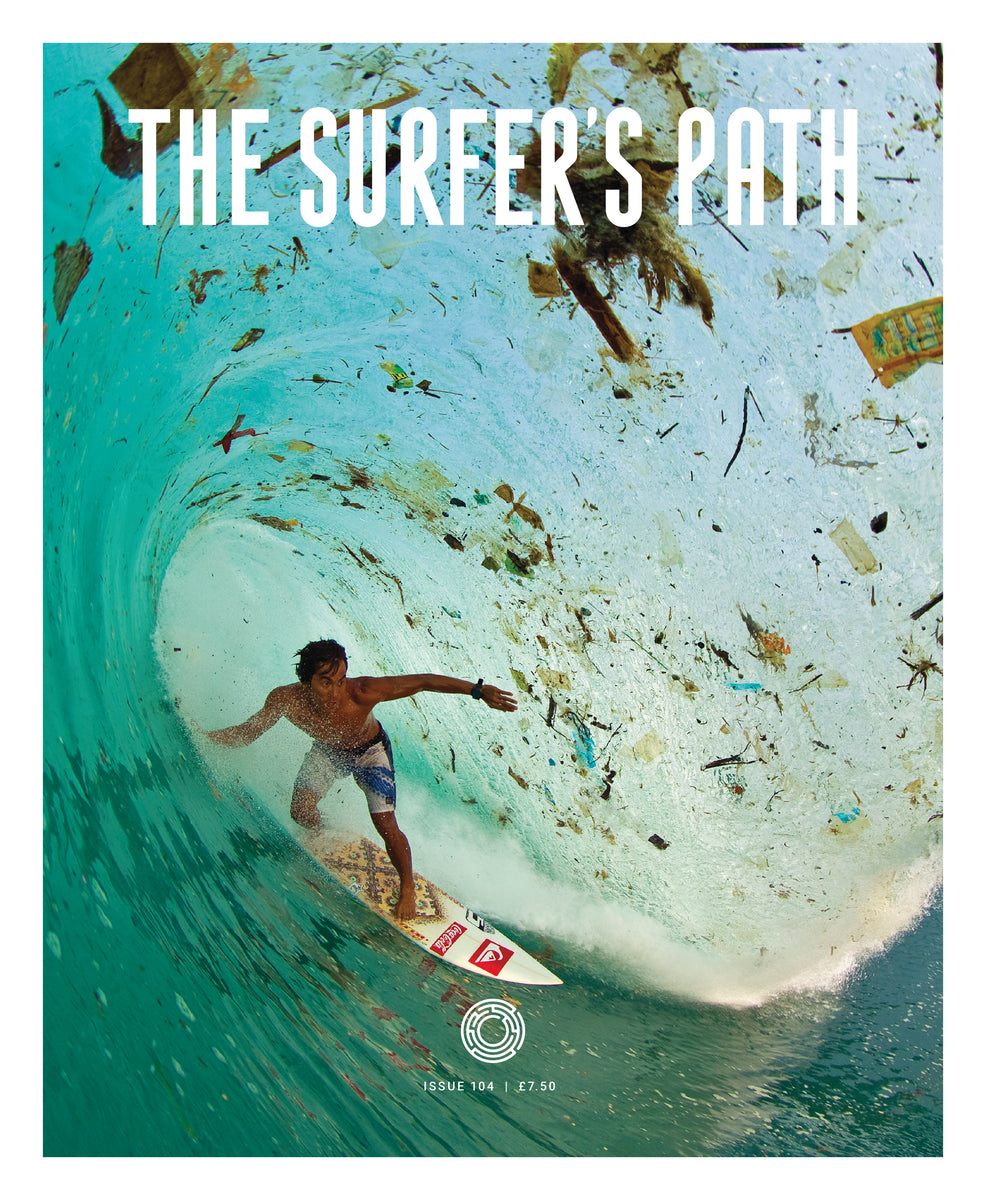
Issue 104
The lead is the state of the oceans feature, which is apt as it is the United Nations Decade of Ocean Science for Sustainable Development, essentials the decade to save our ocean. We've got an incredible piece bu Dan Crockett of The Blue Marine Foundation which gives us an oversight, a look into the complexities of how everything is inter related, and how it is not just one issue.
We have three very personal views of how the ocean is changing around our coastline from Wales, Scotland and Norfolk.
We also speak to a sociologists about how positives in humanity are driving local changes and ocean protection. We also speak to a tourism expert, to see how development has damaged coastal regions, and how unwittingly surfing has been used as a trailblazer into some areas.
It's not all Ocean though, we have five epic lockdown adventures, one in Indo with Eugene Tollemache and friends, one in Devon, one in Wales and one in Cornwall. Plus and incredible lockdown voyage from Sardinia to Australia
Back issues are available on the link below.

Issue 103
New England - With Brian Nevins
New Zealand - With Mark McInnis, Dane Gadauskas, Pete Devries and Noah Cohen
Cornwall - An outsiders perspective
East Anglia - Dan Crockett and Jack John
Isolation tales from - India, Indonesia, Canada, Ireland, Scotland, Mexico and Marocco Land Sea Sky And as always and Epic Gallery
Back issues are available on the link below

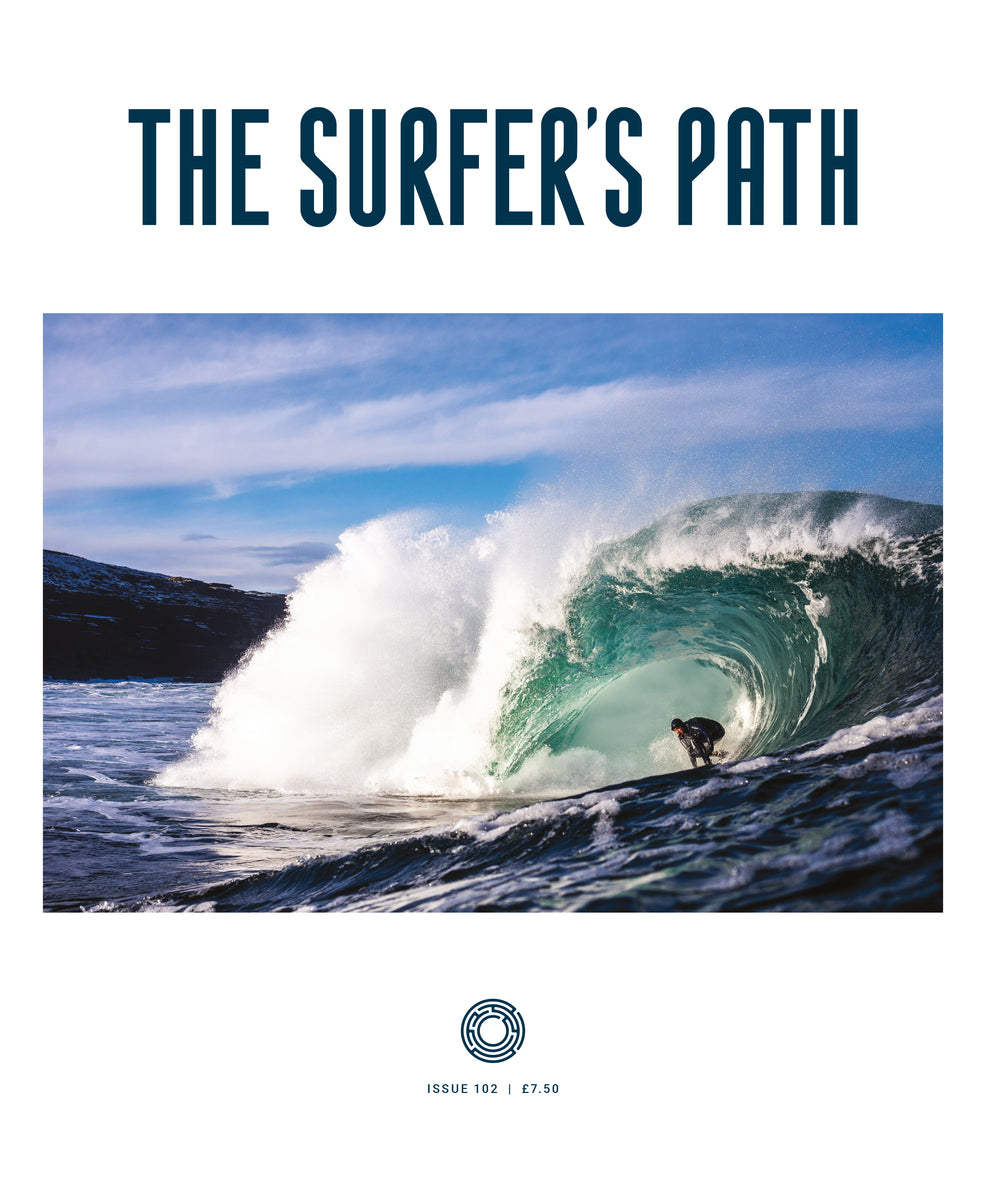
Issue 102
Master shaper and tubesmith Neal Purchase Jnr
Adventure in The Congo
Tony Butt - The cost of losing waves
Lucia Griggi - Breaking ground as a female photographer, incredible photography
Hull to Helsinki - What would you do if you got a job in Finland? You'd drive the coast of Norway to get there...
Van life - The realities of giving up bricks and mortar
Incredible Gallery Instant Surf - St Agnes local Matt Smith on shooting surf culture with a polaroid
This issue is available on our back issues page below.

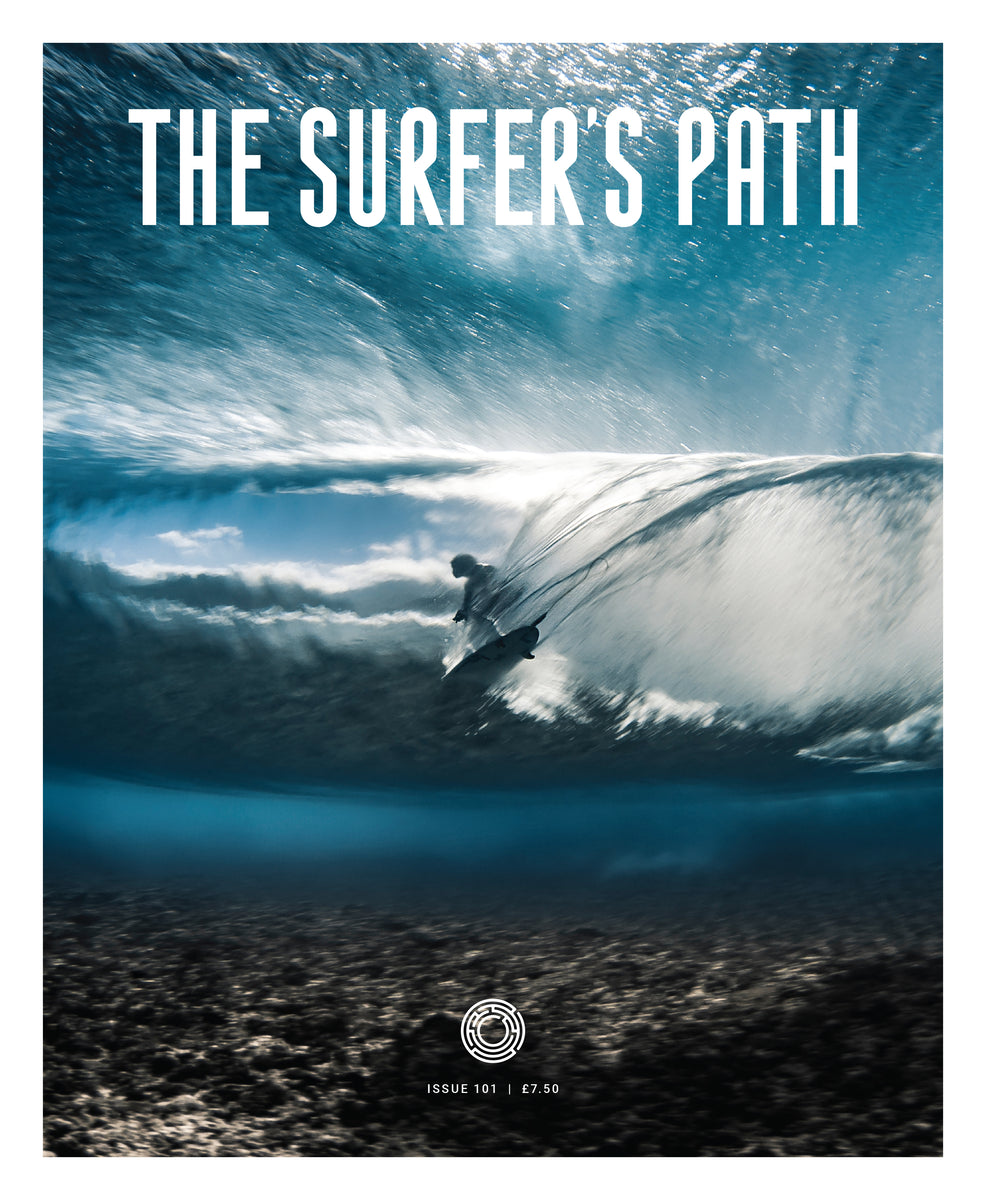
Issue 101
A social media free adventure through Britain and Ireland
Ben Selway fighting cancer and keeping shooting and plans for the future
Mike Kew - A low key journey through bits of the pacific you have never heard of
Lea Brassy - Trying to be a travelling surf pro and a Patagonia/Eco activist
A wild few days stuck in a blizzard on the Greenland sea
Surfing vs Big Oil
This issue is available as a back issue on the button below

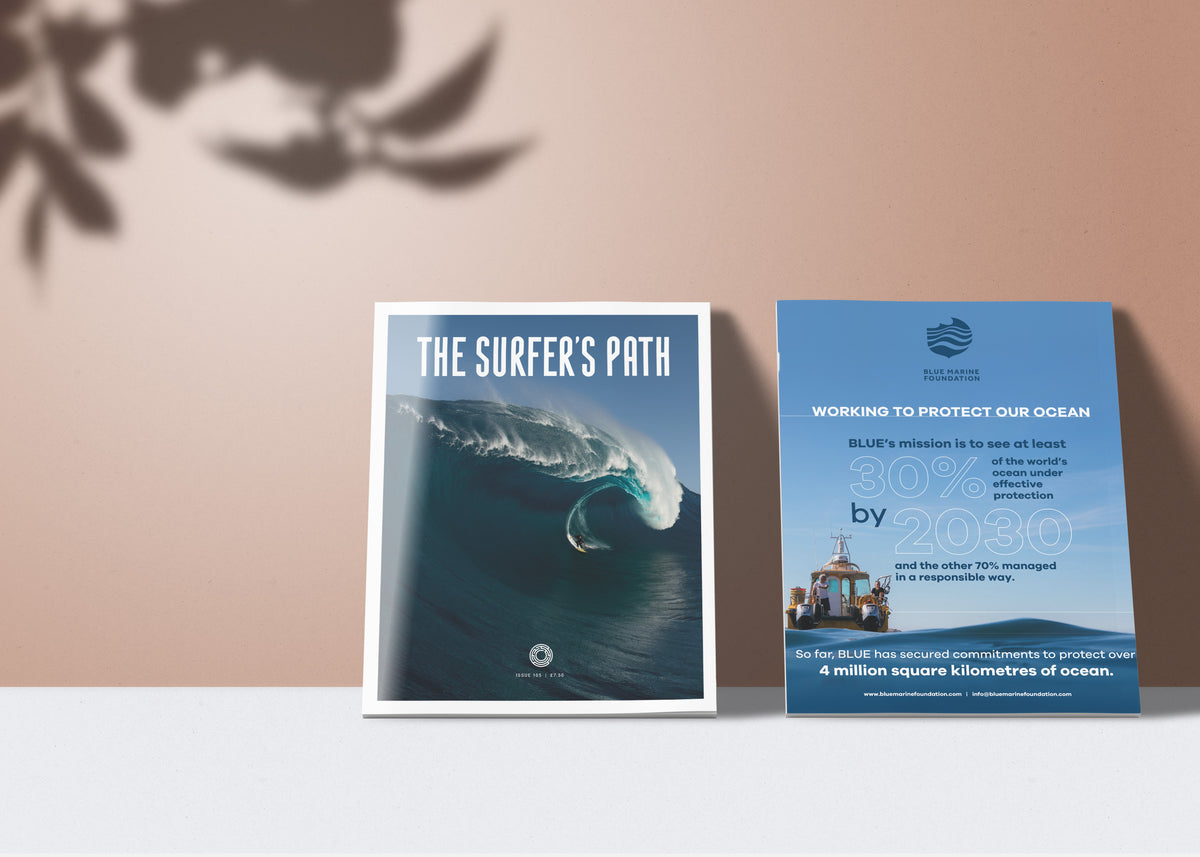
Giving Back To The Ocean
Every issue we give away our back cover. Rather than sell the prime piece of ad real estate we give it to a marine based charity. Our three at the moment are : 2 Minute Beach Clean, SAS and on the back of our most recent issue Blue Marine Foundation.
Because we are a collective of writers, designers, photographers and surfers we are not in it for the profit, but creating something worthy to sit on your shelf for years to continue to inspire. Issue 106, 107 and 108 are now all available again, we have new print runs of all and we've managed to reduce the price as well. We also have plenty of back issues left, these really help us grow.